
In the final stage, the loop is closed and AI is allowed to make adjustments automatically.
Four Industrial Revolutions on a Timeline

Industry 4.0, also called smart manufacturing, refers to the fourth industrial revolution, where operating models and production processes in the manufacturing industry are transformed through digitalization and advanced technologies.
The fourth industrial revolution connects physical production systems with the digital world. The goal is to make industrial processes smarter and more efficient by leveraging real-time data.
Thanks to technological advancements and decreasing technology costs, more and more production facilities can be adapted to become more flexible, productive, environmentally friendly, and competitive than ever before.
Instead of relying solely on incremental improvements, Industry 4.0 enables the design of entirely new production models based on digitalization and automation, and therefore reshaping the entire value chain.
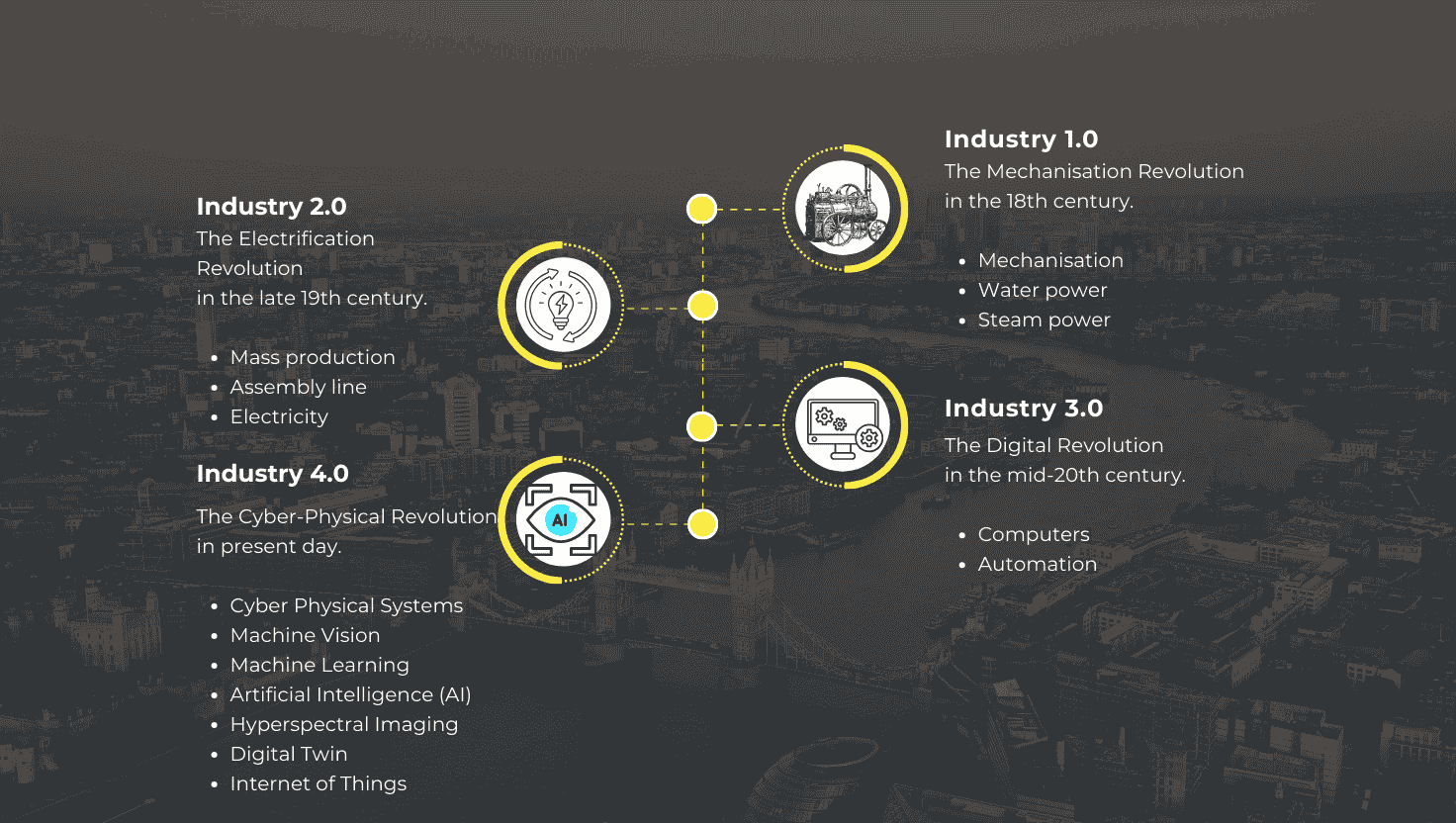
Figure 1. Industrial Revolutions. The first industrial revolution began in the late 18th century, when steam engines and mechanization transformed production methods. The second revolution introduced electricity, internal combustion engines, and mass production. The third revolution digitalized industry through computers and microprocessors. Now, in the fourth revolution, all these previous developments are converging.
At the end of this article, you will find a timeline that explores the four industrial revolutions in more detail.

Sales, Manufacturing
Would you like to explore the opportunities of Industry 4.0 and smart manufacturing in more detail? Interested in hearing more practical use cases?
Contact me by phone +358 41 545 8559 or send me an email at ville.louko@advian.fi.
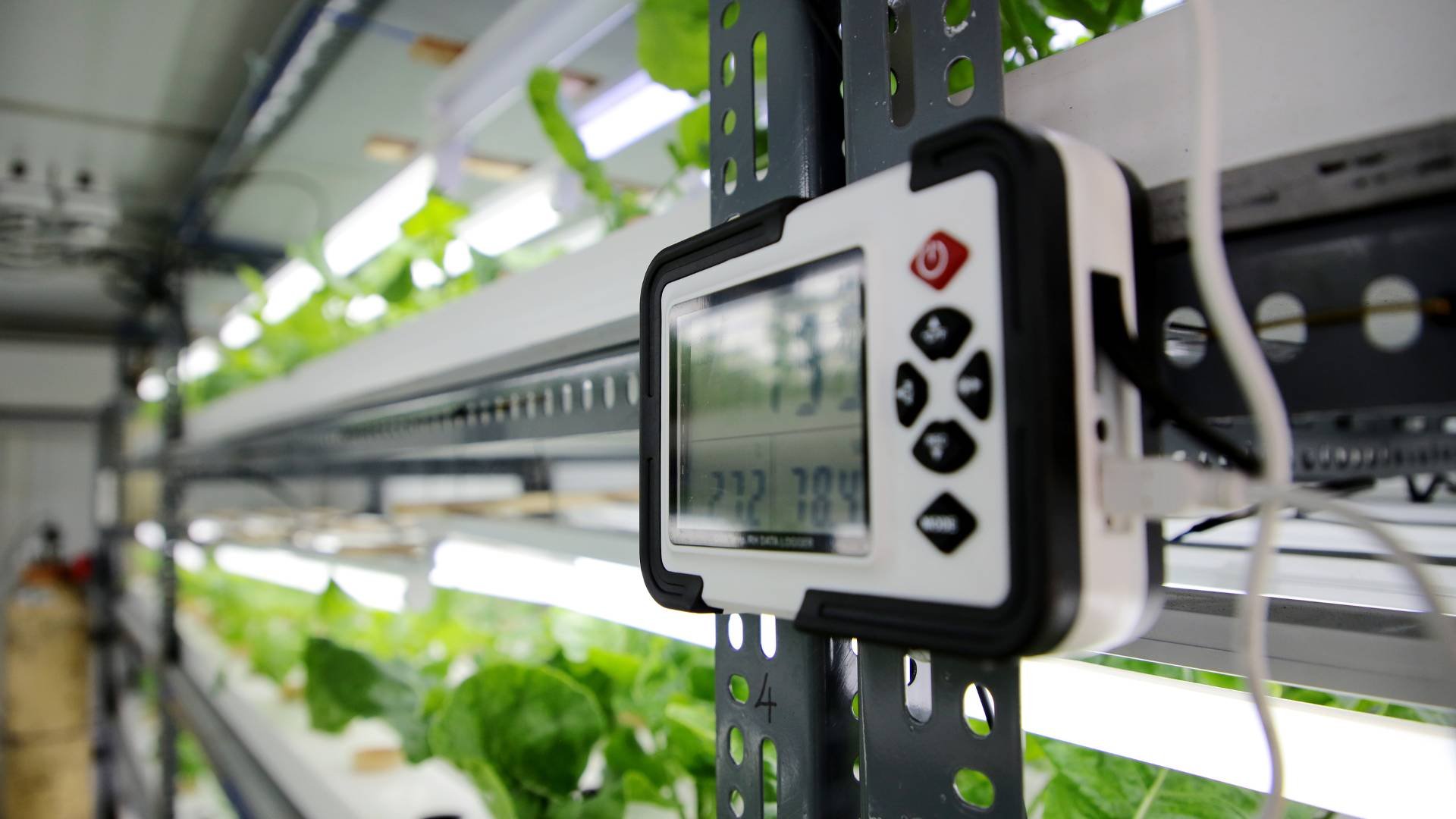
The first step is collecting and visualizing data, which in itself helps you understand the current state of your factory’s operations.
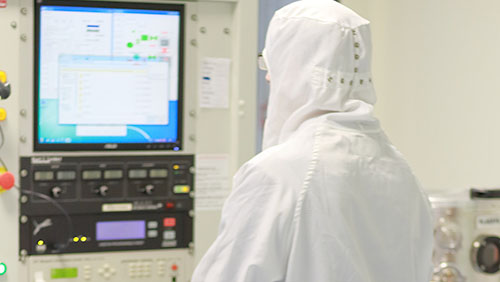
In the next phase, artificial intelligence and machine learning are introduced to generate predictions, while decision-making remains in human hands.
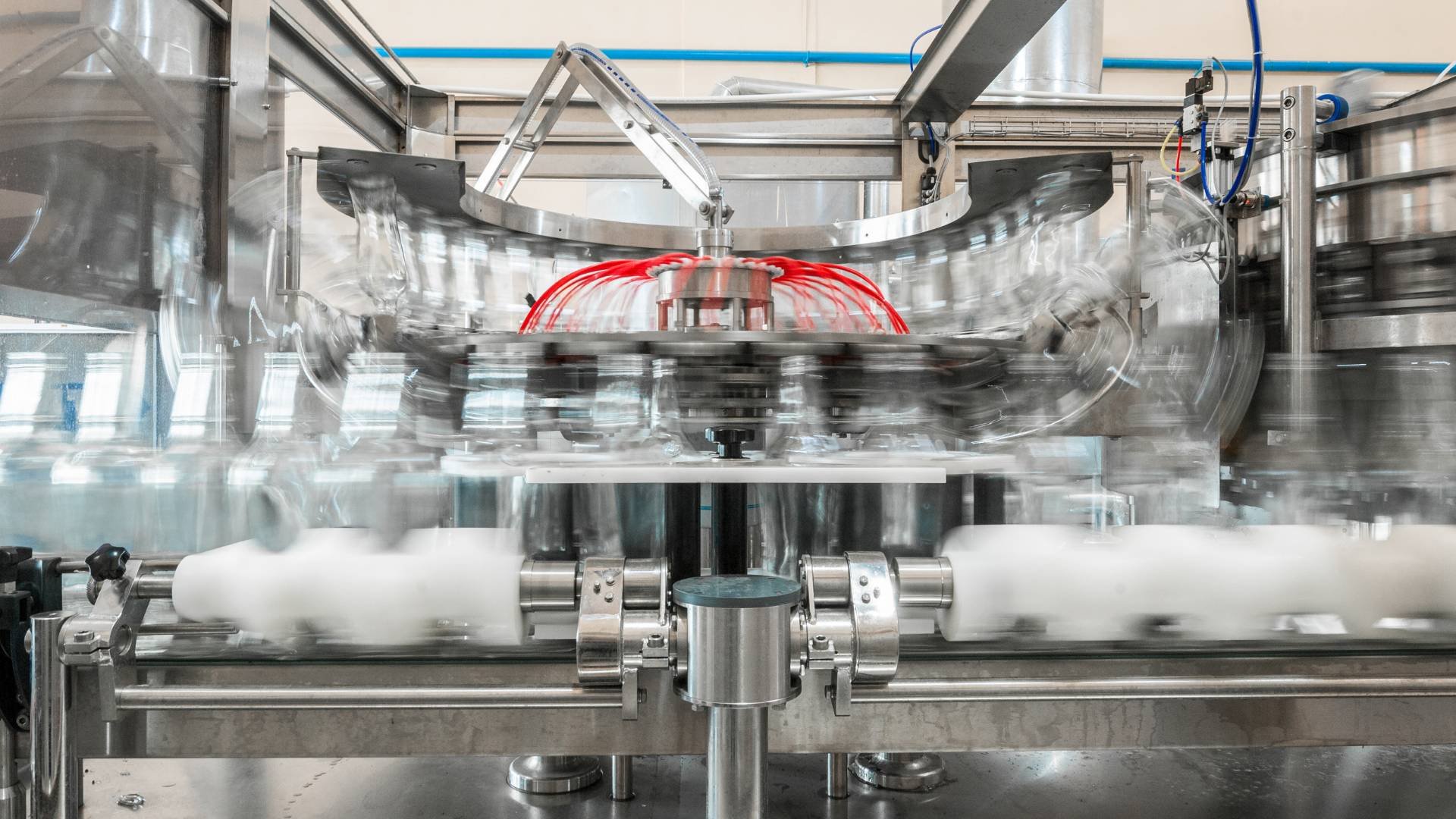
In the final stage, the loop is closed and AI is allowed to make adjustments automatically.
Development projects should not be driven purely by IT. Instead, the focus should be on how data will be utilized in the long term within Industry 4.0 and smart manufacturing.
During a factory visit, we once heard a plant manager proudly present an “advanced Industry 4.0 solution” featuring 3,000 sensors sending data to the cloud every second. It sounded impressive—but when we asked what they actually did with the data, the response was a long silence.
To avoid a similar situation and ensure a successful, business-driven transition toward a smart factory, consider the following already in the planning phase:
1. Let ROI Guide Your Decisions
Choose the right battles and focus on what truly matters. Build a solid business case and ensure that your return on investment is strong enough to justify the initiative.
2. Collect data strategically
Gather data from relevant sources such as sensors, IoT cameras, and production equipment.
However, avoid collecting data just for the sake of it: structured and purposeful data collection is key.
3. Harmonize Your DataA smart factory requires consistent and unified data.
While individual machines can be optimized with smaller datasets, optimizing an entire factory requires harmonized data across all systems and devices.
4. Leverage AI In Real-TimeReal-time AI capabilities provide insights into production status and predictions for required actions to improve efficiency.
Make full use of advanced technologies to stay competitive in smart manufacturing.
5. Automate Production ControlReal-time automated production control minimizes the risk of human error in processes.
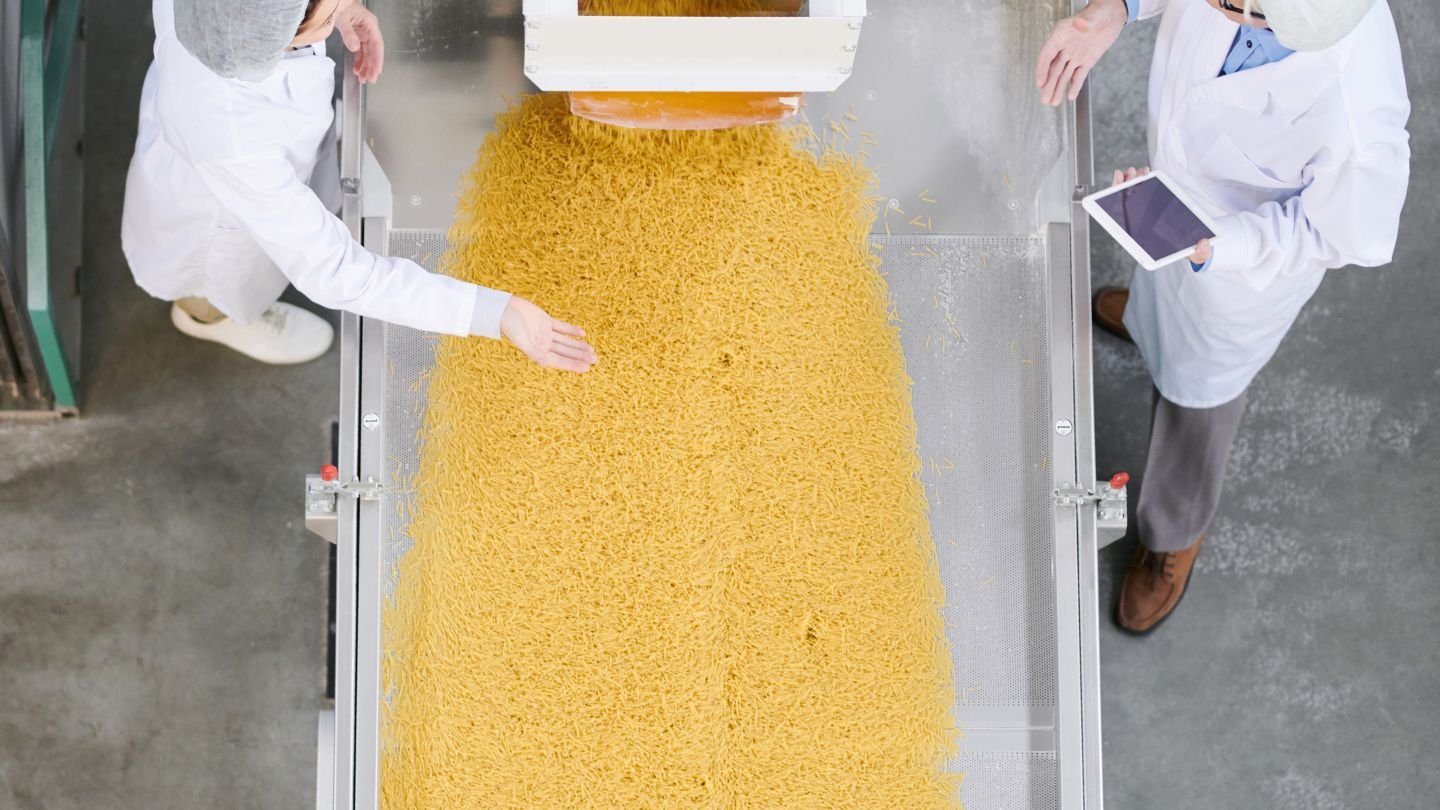
Figure 2. Industry 4.0 is already part of everyday operations across many industries. For example, in the food industry, hyperspectral imaging and artificial intelligence can reveal far more about the contents of food products than traditional methods.
As the case examples demonstrate, Industry 4.0 offers significant opportunities for companies in the manufacturing industry—but these opportunities need to be identified and prioritized effectively.
We’re happy to support you in uncovering them, through example questions such as:
How can data be used to create new business opportunities, products, or services?
How can factory production processes be optimized using data?
How can manual work be reduced and the risk of human error minimized?
Has the full potential of cost savings and optimization already been reached—and how can you shift from optimization to growth?
Sustainable manufacturing becomes easier to achieve through automation and more effective use of data. Human errors are reduced, and resource utilization can be optimized.
Your business goals play a key role in identifying the right opportunities. Every smart factory initiative should be driven by the business value it creates. Our experts bring, on average, over 15 years of experience in developing data-driven business through advanced analytics solutions.
Our data experts have outlined below the key themes they discuss daily with decision-makers in the manufacturing industry. How far have these been implemented in your factory?
3D measurement offers a precise and efficient way to monitor product quality and dimensions throughout different stages of production. It helps ensure that manufactured components meet design specifications, detect deviations and defects, optimize production lines, reduce waste, enhance quality control, and accelerate product development.
Ultimately, your business objectives determine which technologies are worth implementing—and which are not. If you’d like expert guidance on how to get started with Industry 4.0 and smart manufacturing, book a free consultation session with one of our specialists.
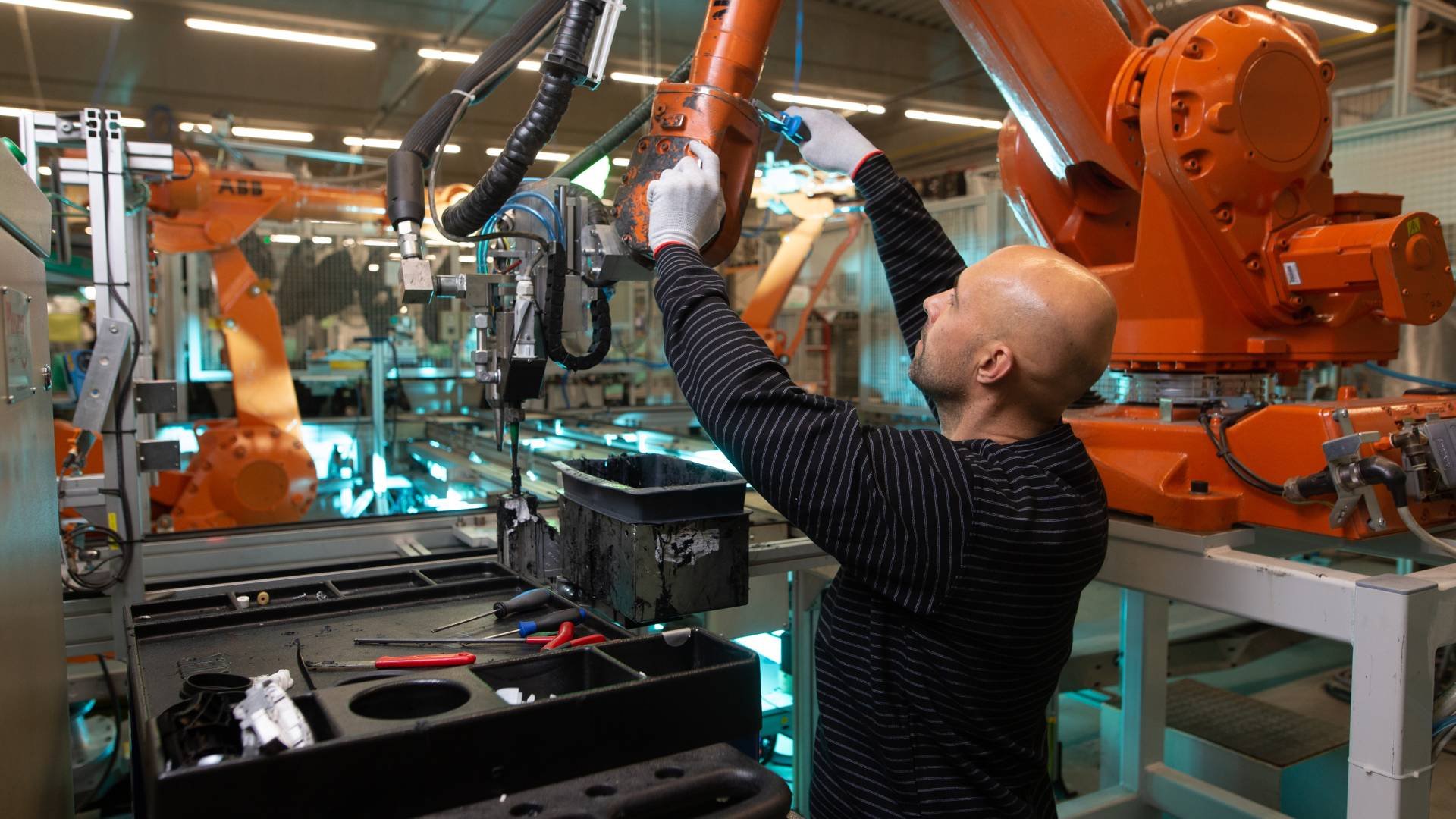
Kuva 3. Epäreilua kilpailuetua. Konevalmistajat hyödyntävät arjessaan edistyksellisiä Teollisuus 4.0 aikakauden teknologioita, kuten konenäköä ja tekoälyä.
Today’s factories are becoming increasingly intelligent and automated. They leverage advanced technologies such as 3D measurement, artificial intelligence, and edge computing to improve efficiency and performance.
Integrating IT and OT systems is a key part of implementing Industry 4.0 in practice. When data flows seamlessly between machines and systems, equipment condition can be monitored in real time, and maintenance actions can be scheduled at exactly the right moment.
Industry 4.0 technologies also enable rapid responses to market changes, as production lines can be quickly adapted to evolving demands. Technological advancements have made it possible to transform production processes into smart operations faster and more cost-effectively than ever before. Now is the time to embrace the fourth industrial revolution.
Where should you begin? We’re here to help you navigate these questions.
Get in touch, and let’s explore together how to turn Industry 4.0 opportunities into real business value—what use cases make sense for your operations, and what challenges you may encounter along the way.
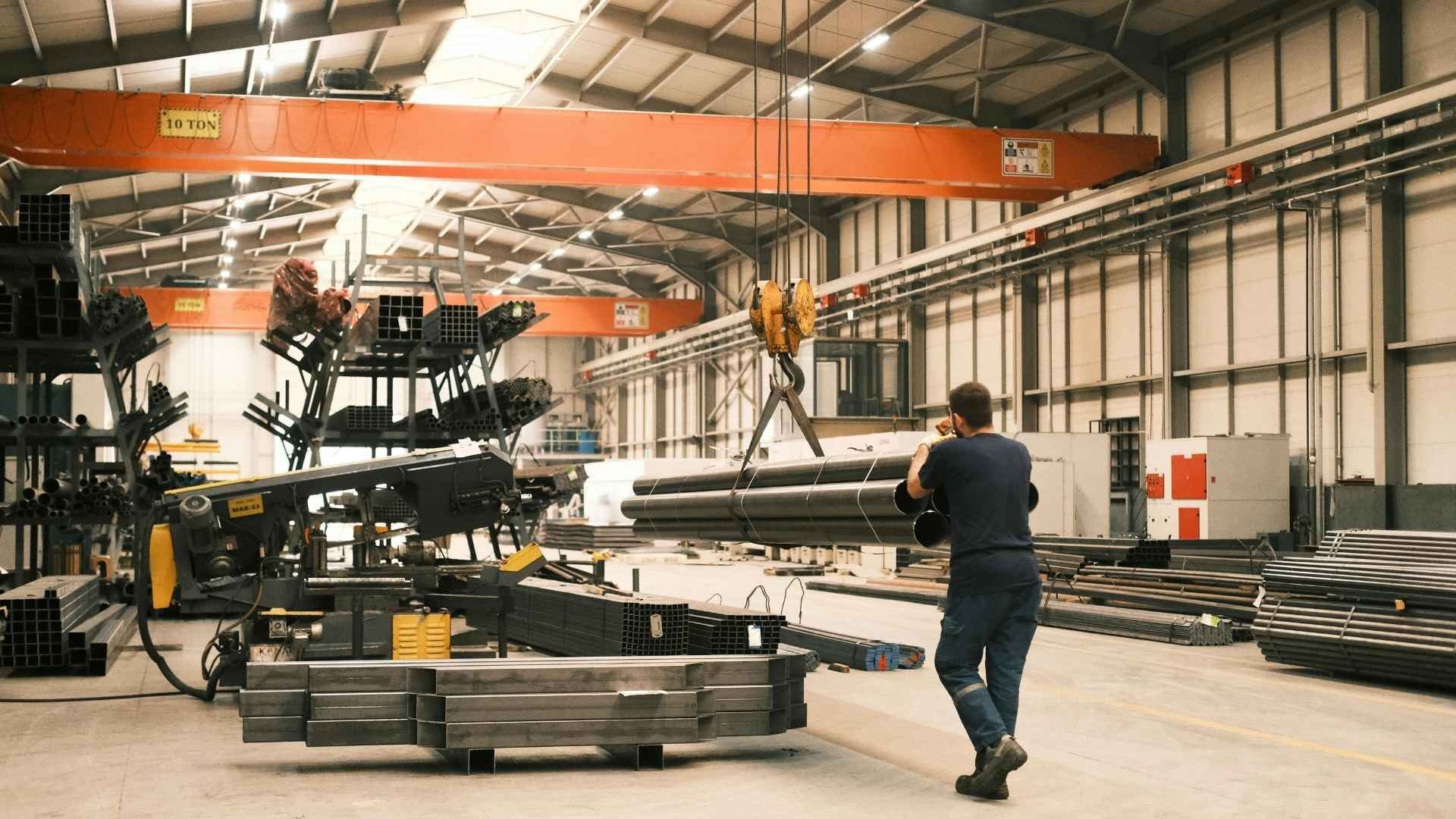
Figure 4. Industrial manufacturers leverage Industry 4.0 technologies in a wide range of ways. For example, production and inventory can be optimized, industrial accidents can be prevented, and equipment and components can be maintained at the right time through predictive maintenance.

Increase productivity, reduce waste, and lower costs by leveraging real-time production data.
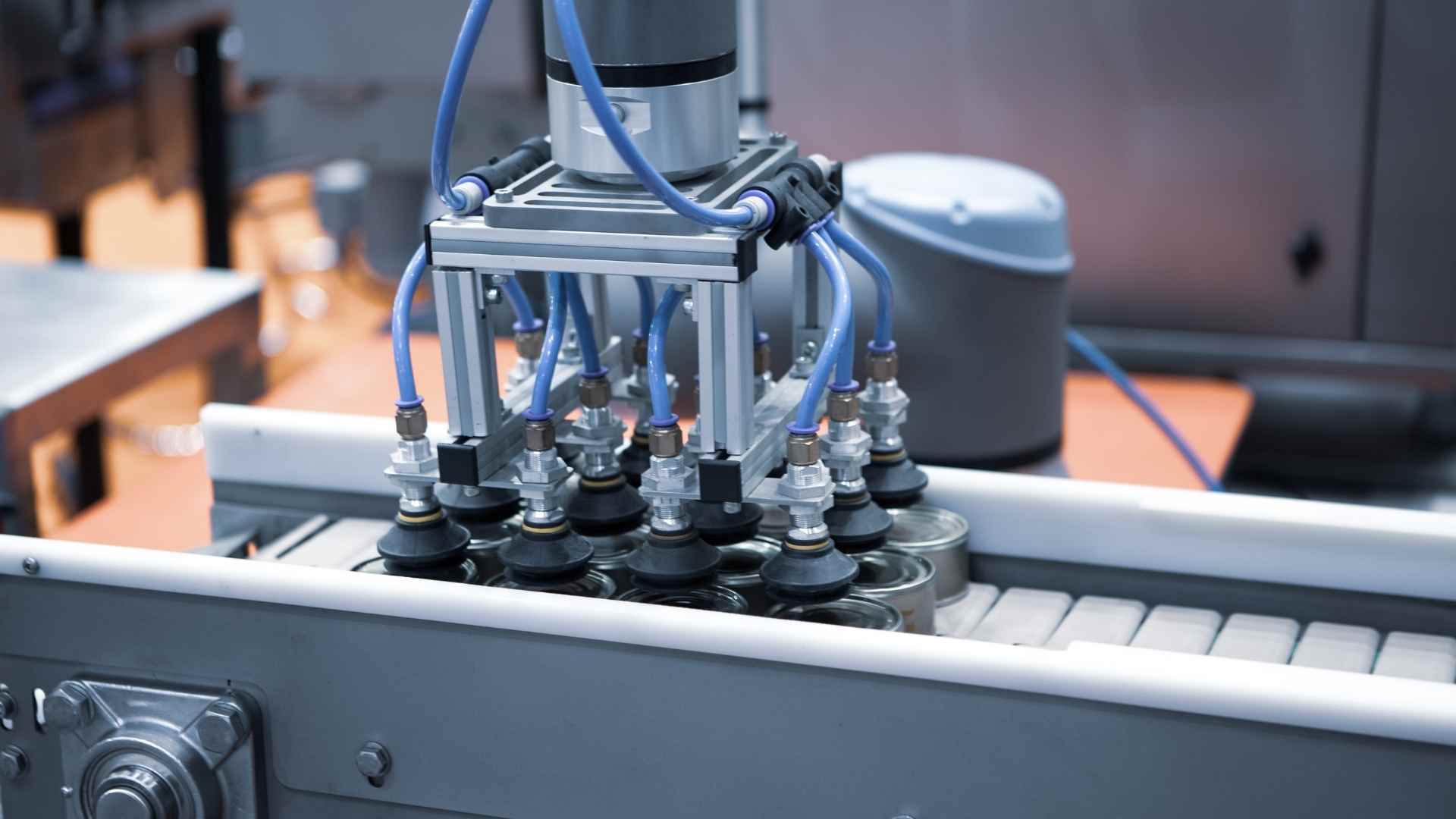
Enhance quality assurance processes with machine learning and computer vision solutions.

Reduce unplanned production downtime as well as losses in productivity and revenue through timely maintenance.
Reducing tractors warranty costs with Machine Learning. As a major part of their product development process, Valtra the leading tractor manufacturer in the Nordics, wanted to cut field costs related to tractor warranty claims. We at Advian responded with a Machine Learning solution, that gives Valtra a part-by-part prediction of warranty costs.
Image: Valtra

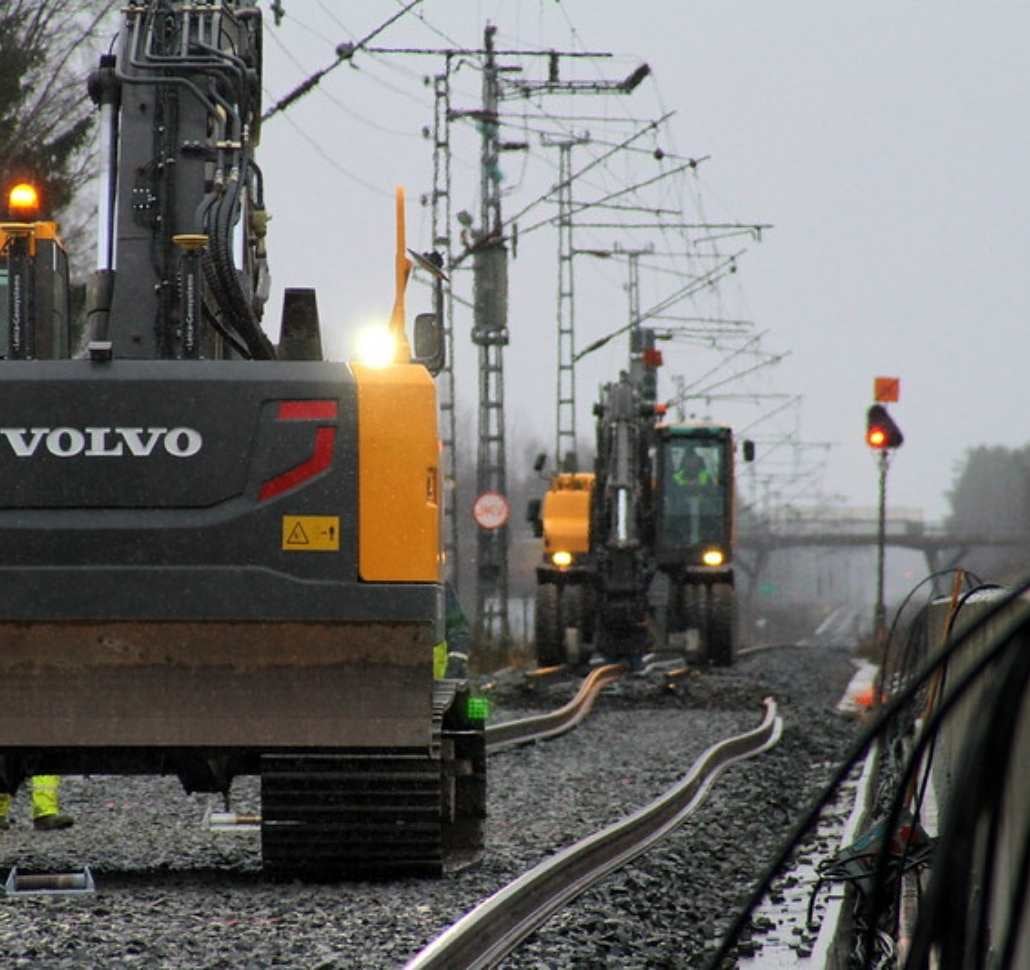
Railway Infrastructure Maintenance Analysis using Satellite Data. Advian analyzed soft areas along the railway, where the embankment moves more than usual. Excessive movement of the track embankment increases the need for maintenance activities, and during a renovation, such areas need to be stabilized.
Image: The Transport Infrastructure Agency
Automating receipts accounting with Machine Learning. We streamlined the accounting of Ukko’s customers’ receipts using Machine Learning. The automatisation resulted in time and cost savings, as well as freed a team of accountants for other essential tasks.

Algorithms for customer potential analytics. The Pharmaceutical Information Centre produces medical information and data management services for organizations in healthcare and pharmaceutics. We built a machine-learning based analytics solution used for customer segmentation and analysis in the sales of pharmaceutical products.

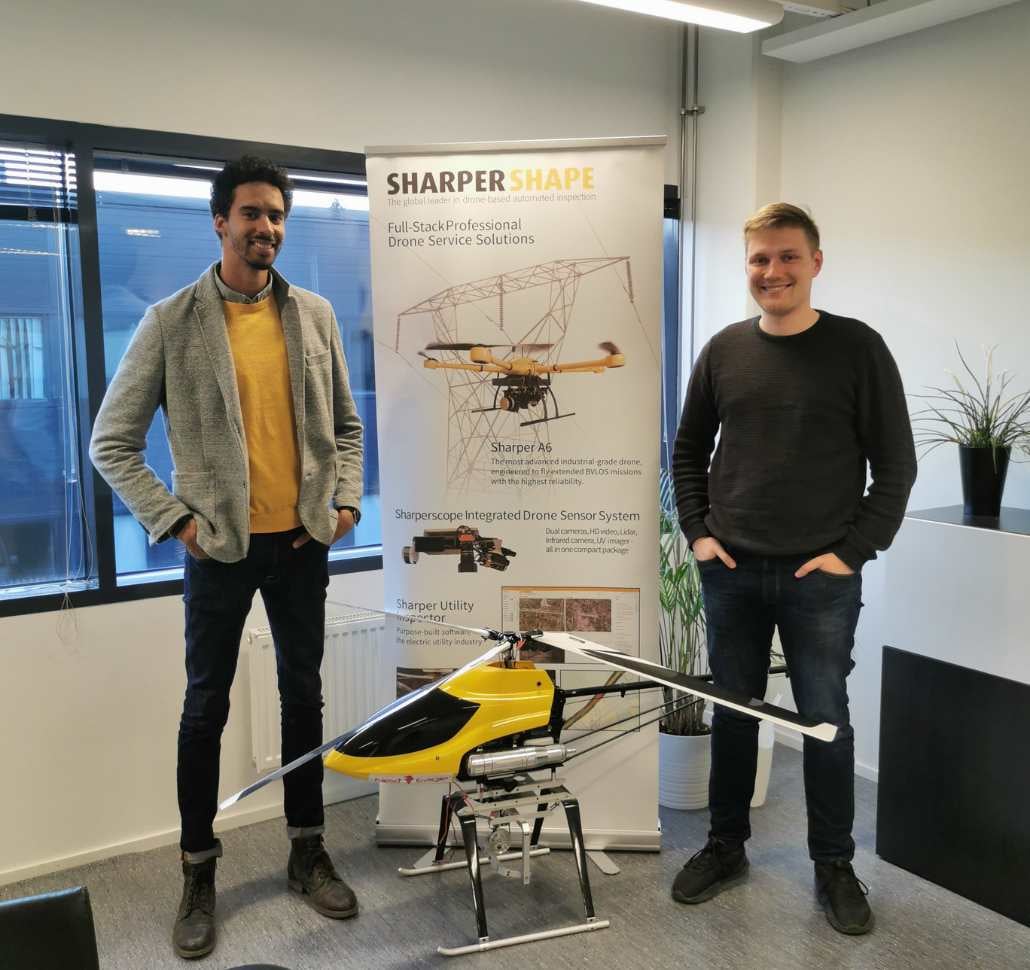
Advian and Sharper Shape - to new heights with refined analytics. Sharper Shape is an international provider of automated drone and helicopter-based electrical network inspection services. Advian has been accelerating the company's strong growth from spring 2019 in various projects.
Accurate multi-sensor positioning with Edge Analytics. We designed and piloted crucial parts of next generation railway access control system to Fintraffic. The goal of the pilot was real-time, interference-free and accurate positioning on the entire Finnish rail network. In the pilot, satellite positioning was supplemented with inertia and stereo camera sensors.
Image: Fintraffic