When transformer analytics is to be used in the maintenance of electrical networks, it is advisable to divide the implementation into three phases.
The decentralization of energy production and growing electricity distribution demand and changing demand patterns require smarter ways to manage network maintenance and investments.
Transformer analytics offers a concrete solution to this challenge. Transformer analytics allows transformer data to be used to support decision-making and improve the efficiency of the entire grid.
"Transformer analytics refers to the use of measurement and operational data collected from transformers and electrical network equipment with the help of analytics and artificial intelligence."
Our target is to provide DSOs better understanding of the transformers delivering electricity to the customers. Along with electrical measurements providing information on load, information on physical environment is provided to support maintenance.
Transformer analytics can be used to identify, among other things, overload situations, temperature deviations in transformers, power quality problems, and risk areas in the network before faults occur.
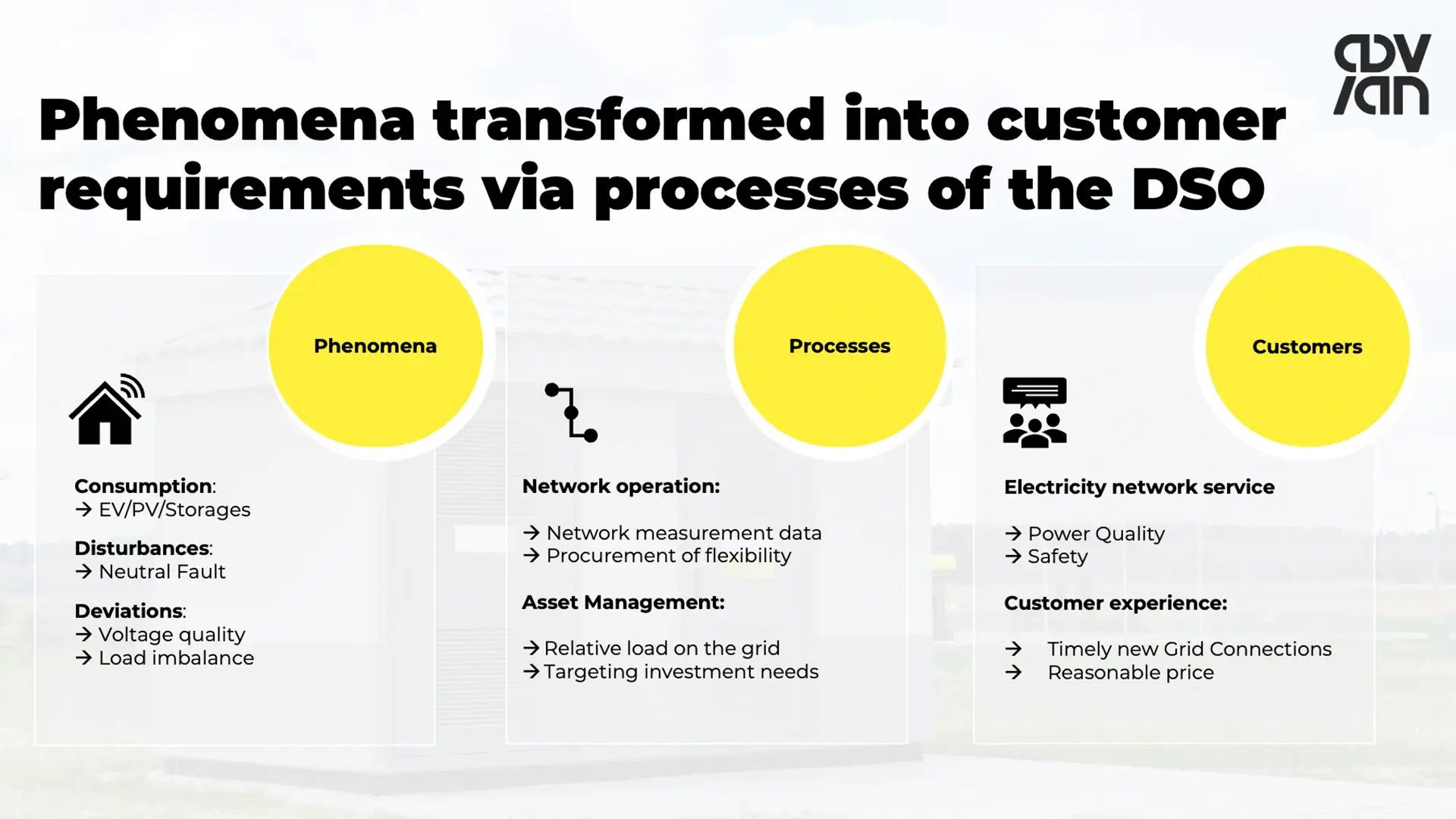
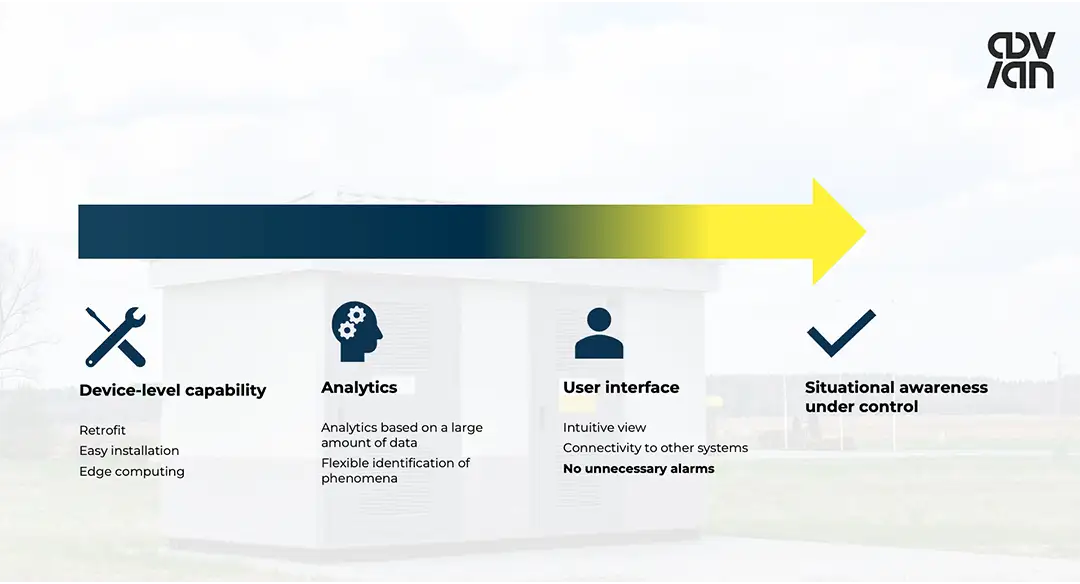
Figure 1. Benefits of transformer analytics. Based on the data obtained from the transformer, it is possible to enter the maintenance process into predictive maintenance model, where maintenance measures are targeted where they are really needed. Timely maintenance reduces disturbances and lowers maintenance costs.
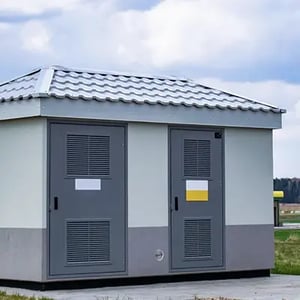
Analytics can be used to identify transformers that are at risk of failure. This allows maintenance resources to be allocated correctly. Instead of conducting maintenance according to a schedule, it is performed based on actual need.

The consumption data show where the load is increasing. This helps in accurate decisions about new investments: allocation and priorization.
Transformer analytics enables rapid detection of faults and voltage fluctuations. This translates directly into improved power quality and reliability for end customers.

Would you like to discuss the possibilities of transformer analytics in more detail? Would you like to hear more practical examples?
You can contact me by phone at +358 400 164 261 or by email at marko.juntunen@advian.fi.
At Advian, we have developed cost-effective, remotely controlled, and scalable solutions that utilize transformer analytics in collaboration with electricity network companies.
We have combined data management, machine learning, and energy industry expertise into a single service package that is easy for customers to use.
The device we have developed to enable transformer analytics can be easily retrofitted directly into the transformer.
After installation, the device's sensors begin collecting the data needed for transformer analytics. The device can be used to collect real-time transformer-specific sensor data as needed and create various alerts based on the data, such as:
The device has 6 sensor slots (I/O) as standard and can be expanded to 14 sensor slots on a customer-specific basis. The device can be conveniently controlled remotely.
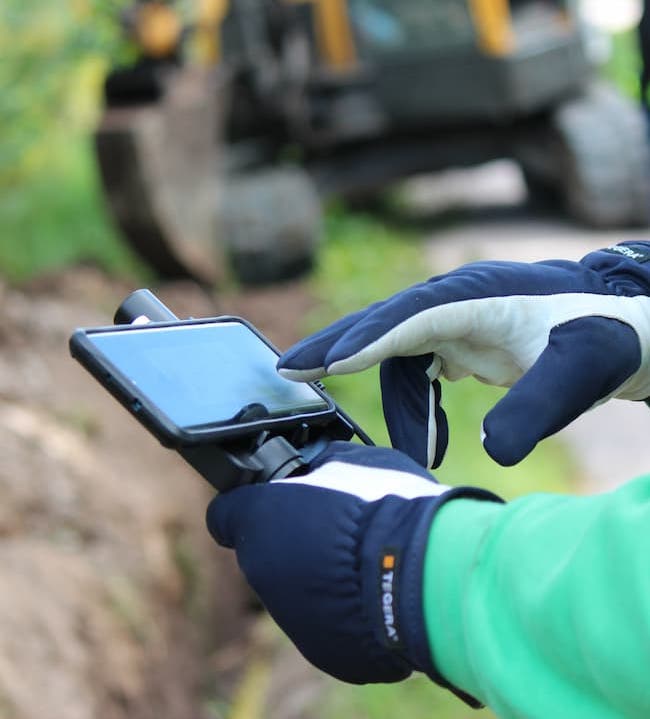
Groundhawk revolutionizes documenting the exact locations of electrical and telecommunications cables in underground contracting.
Using the device does not require any previous measurement skills. The contractors who are already on-site can perform the measurements. Since the information is delivered immediately, the project documentation can also be completed right after the actual construction is ready.